Masonry Contractor in Buckeye, Arizona for Block Walls and Retaining Walls
Buckeye is one of the fastest-growing municipalities in the United States, spanning more than 600 square miles across the southwestern Maricopa desert. From historic downtown bungalows along Monroe Avenue to master-planned neighborhoods in Verrado, Tartesso, Festival Ranch, and Sundance, Buckeye properties face severe desert climate conditions and challenging subsoil profiles that demand purpose-built masonry construction.
Expert Block Wall & Masonry Services in Buckeye
Buckeye is one of the fastest-growing municipalities in the United States, spanning more than 600 square miles across the southwestern Maricopa desert. From historic downtown bungalows along Monroe Avenue to master-planned neighborhoods in Verrado, Tartesso, Festival Ranch, and Sundance, Buckeye properties face severe desert climate conditions and challenging subsoil profiles that demand purpose-built masonry construction.
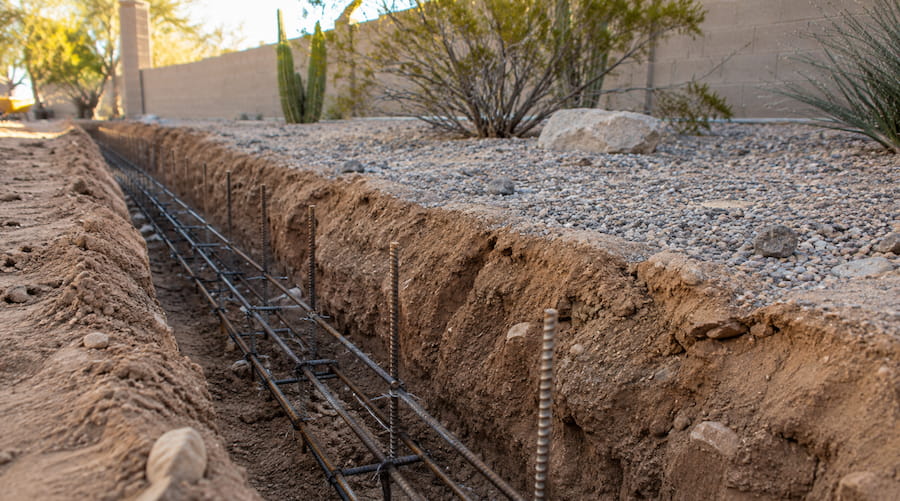
Dense calcium carbonate caliche layers 12 to 24 inches below surface grade, smectite expansive clays in the Gila and Hassayampa river bottoms, and 60+ MPH summer monsoon haboobs are everyday realities in Buckeye. We dig pneumatic footings that penetrate impermeable caliche shelves and install continuous horizontal and vertical Grade 60 steel rebar, ensuring your boundary walls, pool fences, and grade-retaining structures never crack, heave, or lean under harsh Sonoran Desert conditions.
Understanding Buckeye: Climate, Soil & Building Conditions
Buckeye covers an expansive 640-square-mile planning area—larger in physical land area than the entire city of Phoenix. Originally founded as a 19th-century farming outpost along the Buckeye Canal and Gila River, the city has surged past 110,000 residents as families and commercial builders relocate to master-planned desert communities including Tartesso, Verrado at the base of the White Tank Mountains, Festival Foothills, and Sundance. This dramatic geographic footprint means property elevations range from 850 feet near the river valley floor to over 1,400 feet along the desert mountain benches.
The local climate is defined by extreme Sonoran Desert conditions. Summer daytime temperatures routinely surpass 115°F from June through September, driving exterior CMU surface temperatures above 145°F on unshaded west-facing perimeter walls. Daily diurnal temperature swings of 35°F to 40°F generate unrelenting thermal expansion and contraction cycles across continuous wall lines. During the summer monsoon season, violent haboob dust storms with wind gusts exceeding 60 MPH blow in from the south, testing lateral wind-shear resistance and saturating arid topsoil within minutes.
Subsurface geology across Buckeye is among the most demanding in Arizona. Much of the northern and western parcels sit atop rock-hard caliche—a cement-like calcium carbonate deposit that resists conventional auger drilling and hand digging. Near agricultural lands and alluvial washes, expansive smectite clay expands dramatically when wet and shrinks during drought, generating severe hydraulic heave against shallow footings. Native desert wildlife including desert tortoises, Gambel's quail, javelinas, and bark scorpions inhabit the perimeter washes, making properly capped, sealed, and predator-resistant masonry boundaries essential for residential safety.
Block Wall Installation, Repair & Retaining Walls
Block Wall Installation
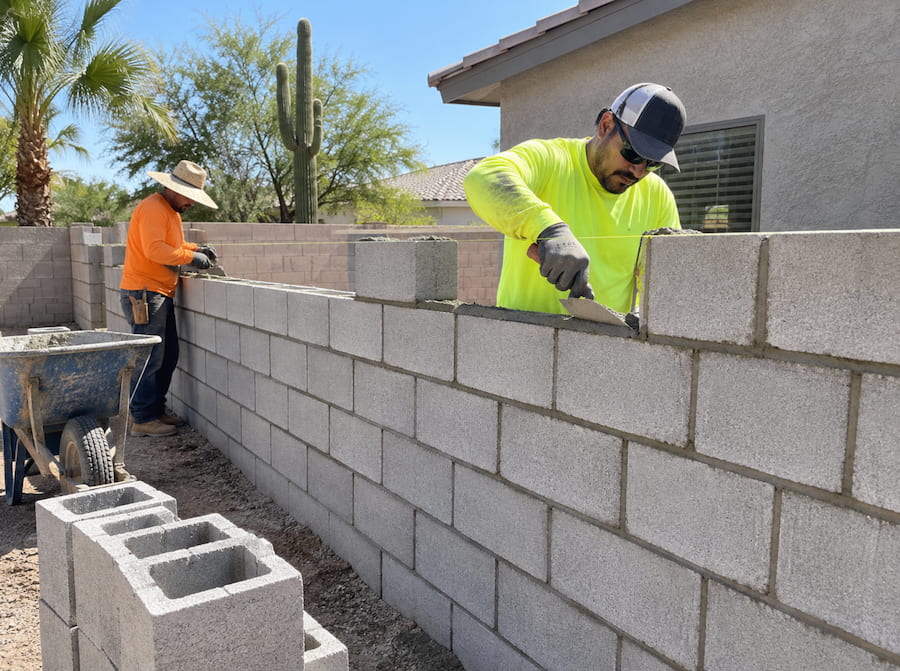
Installing a new CMU block wall in Buckeye begins with mechanical soil evaluation along your exact property line. We utilize pneumatic hydraulic breakers and heavy trenchers to break through dense caliche shelves, establishing continuous reinforced concrete footings poured 14 to 20 inches deep and 16 to 24 inches wide without cold joints. Footings are poured using 3,000+ PSI commercial-grade concrete reinforced with dual continuous horizontal #4 rebar cages.
Above grade, our crews lay precision ASTM C90 concrete masonry units with Type S high-compressive mortar enriched with hydration stabilizers that prevent flash curing under Buckeye's searing summer sun. We grout structural cores with Grade 60 vertical steel dowels spaced every 24 inches (or 16 inches for high wind exposure), integrate engineered control joints every 20 to 24 feet, and finish walls with custom decorative caps or HOA-approved acrylic sand-float stucco that matches Verrado or Tartesso architectural standards.
Explore Block Wall Installation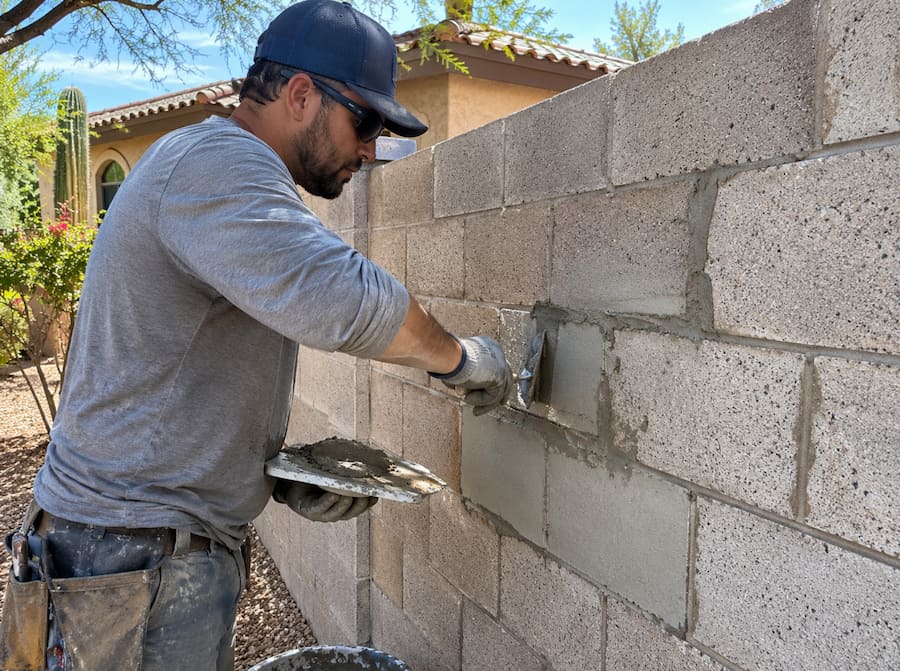
Block Wall Repair
When Buckeye block walls develop diagonal stair-step cracks, leaning sections, or vehicle impact damage, superficial mortar caulking fails within a single summer. Our structural repair process starts with geotechnical inspection to diagnose the root cause—whether from localized monsoon pooling, tree root intrusion, or footing settlement over an uneven caliche ledge. We excavate damaged footing sections and underpin with reinforced concrete collars where necessary.
For fractured masonry courses, we install high-tensile 304 stainless steel helical crack stitching rods bonded with thixotropic structural epoxy across separation planes, locking separating blocks back into a monolithic assembly. If CMU cells or mortar joints have crumbled, we demo damaged courses, dowel new steel rebar into stable substrate, pour fresh core grout, and finish with elastomeric color-matched stucco coatings that restore structural integrity and satisfy HOA neighborhood standards.
Explore Block Wall Repair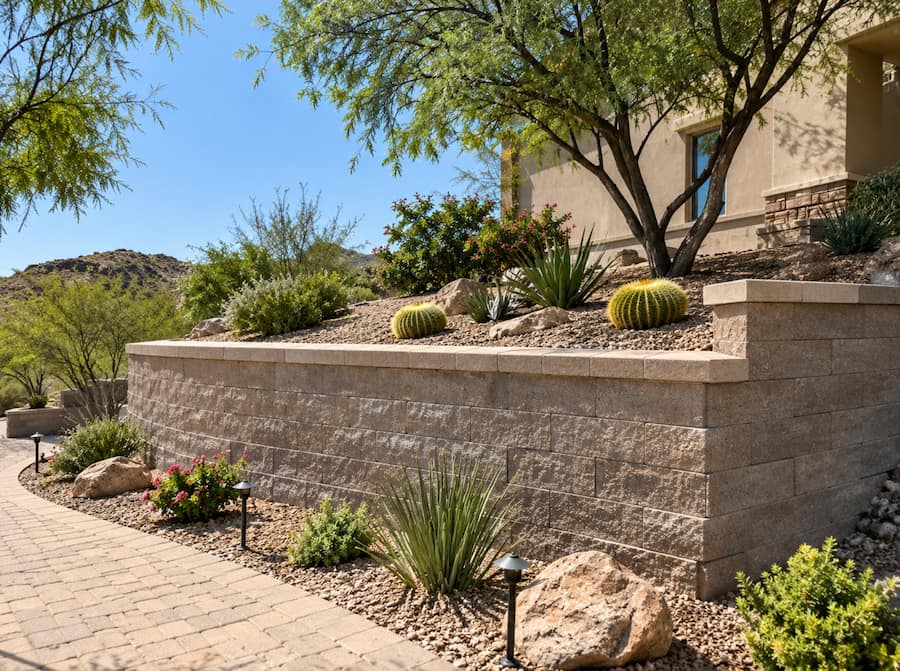
Retaining Wall Installation
Retaining walls in Buckeye are essential for managing hillside elevation changes in the White Tank Mountain foothills of Verrado, creating level pads for swimming pools, and terracing sloped backyards across Tartesso and Sundance. Standard garden walls cannot hold back the immense lateral hydrostatic weight of saturated desert earth; our retaining walls are engineered cantilever structures built with solid-grouted 8-inch or 12-inch CMU blocks and keyed footing toes.
Critical to every Buckeye retaining wall is our comprehensive hydrostatic drainage system. We install continuous 4-inch perforated SDR-35 drainage pipe wrapped in non-woven geotextile filter fabric, embedded in clean washed crushed granite backfill, and vented through free-flowing weep holes. We apply heavy-duty commercial elastomeric waterproofing to the earth-facing wall face to halt water migration and mineral efflorescence, ensuring the wall remains straight and structurally sound for decades.
Explore Retaining WallsBlock Walls, Retaining Walls, and Hardscaping in Buckeye
We build steel-reinforced ASTM C90 concrete block boundary and privacy walls over continuous concrete footings. Every installation includes engineered control joints and mortar formulated for extreme desert heat.
We permanently stabilize leaning property walls and stitch foundation settlement cracks with stainless helical rods. Compromised block courses and vehicle-damaged sections are rebuilt to full structural strength.
Our crews excavate past rock-hard desert caliche to pour heavy-duty 3,000+ PSI rebar-reinforced foundations. These deep structural footings isolate perimeter walls from seasonal Arizona clay expansion.
We apply high-build elastomeric masonry coatings that seal porous concrete blocks against intense UV rays and monsoon driving rain. Choose from custom colors that seamlessly satisfy strict HOA community standards.
Our masons apply traditional multi-coat sand float, lace, and synthetic acrylic stucco finishes over raw block walls. The durable barrier protects against desert weathering while elevating your outdoor curb appeal.
We engineer cantilever CMU and segmented block retaining systems designed to manage steep hillside slopes and pool grade transitions. Every wall includes geotextile-wrapped perforated drainage to relieve hydrostatic pressure.
What to Expect When You Contact Our Buckeye Masonry Contractors
Requesting a masonry estimate should feel clear and straightforward. Whether you are building a new boundary wall in Tartesso or repairing monsoon storm damage in Verrado, here is how we review your project from first contact to planning the work.
Call or Request a Free Estimate
Reach out by calling (623) 624-9014 or sending in our simple online form. Tell us what you have in mind—such as installing a new perimeter block wall, fixing cracked blocks, or repairing a leaning fence. You do not need exact measurements or blueprints before you get in touch.
Review Your Wall and Site Conditions
We take time to understand your project needs. We talk through your property location, wall length, visible cracks, or access for equipment. Sharing a couple photos of the work area helps us understand what is happening, and we can schedule an in-person site visit where appropriate.
Discuss Scope, Materials and Estimate
We review the required work, including footing depth in Buckeye caliche soils, reinforced rebar spacing, and whether a localized repair or partial rebuild makes the most sense. We walk you through a free estimate with clear scope details and no hidden surprises.
Answer Questions and Plan Next Steps
You decide if and when you want to move forward. We can discuss your community's HOA architectural requirements, review city permit questions if your wall height requires one, and help you schedule the work once you are completely ready.
Two Masonry Problems Buckeye Homeowners Often Face
Buckeye's caliche shelves, expansive river-bottom clays, and 60 MPH monsoon haboobs take a toll on block walls across Verrado, Tartesso, and Sundance. Here are two situations we help local homeowners resolve all the time.
A Driver Backed Into Your Block Wall
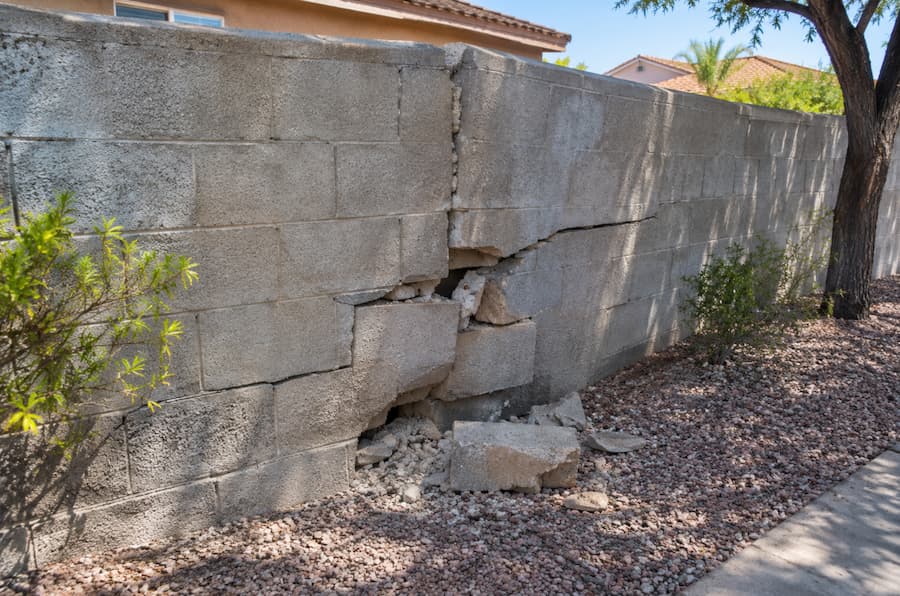
A truck or SUV can knock out a section of block wall in seconds. Broken blocks, loose columns, and a leaning panel leave your yard exposed and unsafe. Some impacts also shift the footing below the visible damage. We assess the full extent and tell you whether a targeted rebuild or crack stitching makes sense.
Get Help With Your Damaged Wall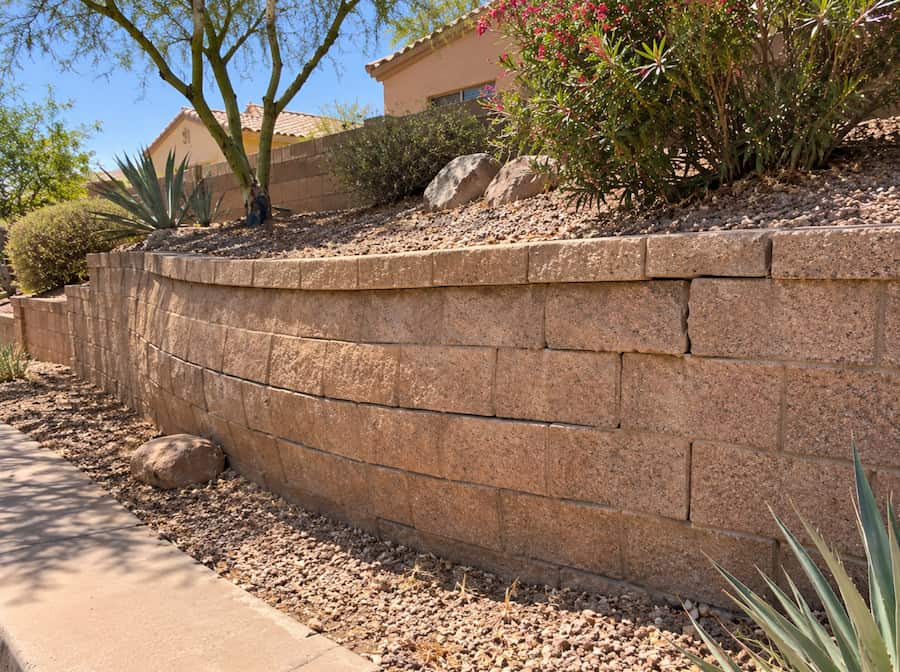
Your Retaining Wall Is Bowing Under Soil Pressure
When a retaining wall starts to lean or bow outward, the saturated desert earth behind it has nowhere to go. Poor drainage and shallow footings are usually the cause. We inspect the wall and the soil, then plan the rebuild or stabilization your slope actually needs.
Talk About Your Retaining WallQuestions We Hear From Buckeye Homeowners
Every neighborhood brings its own soil, drainage, and HOA considerations. These are the concerns we address on every Buckeye estimate.
- How does Buckeye's rock-hard caliche layer impact footing excavation and overall project timeline?
- Will our new perimeter block wall or stucco color match Verrado or Tartesso HOA architectural guidelines?
- What prevents stair-step mortar cracks from returning after a structural block wall repair?
- Do retaining walls taller than 4 feet require City of Buckeye engineering permits and structural inspections?
- How do your masonry crews protect desert irrigation lines and Blue Stake underground utilities during trenching?
HOA Rules & Block Wall Permits for Buckeye Properties
From Verrado and Tartesso to Festival Foothills and Sundance, the majority of Buckeye residential parcels fall under both City of Buckeye municipal building codes and mandatory HOA architectural review. Navigating an HOA notice or planning a new privacy wall requires understanding which requirements belong to the city and which belong to your association.
City of Buckeye
Standard rear and side yard boundary walls up to 6 feet in height built within residential zoning setbacks do not require a separate municipal building permit in Buckeye. Walls over 6 feet, any wall within a front yard setback (typically capped at 3 feet), and retaining walls holding over 4 feet of unbalanced soil require engineered plans and City of Buckeye permits.
Received an HOA Notice or Violation in Buckeye?
Homeowners in Buckeye master communities like Verrado, Tartesso, Festival Ranch, and Sundance frequently receive compliance letters for diagonal step cracks, vehicle impact shifts, or peeling exterior stucco. Under Arizona Revised Statutes § 33-1803, your planned community association must provide written notice detailing the exact rule violated and furnish a reasonable opportunity to respond before levying administrative fines. Follow this proven step-by-step roadmap to resolve your notice efficiently:
Verify the specific CC&R covenant or architectural design manual section cited. Confirm your mandatory response window (typically 14 to 21 business days under A.R.S. § 33-1803) so you can formally acknowledge receipt and avoid automatic escalation.
Inspect the affected masonry section carefully, noting whether the problem involves superficial stucco flaking, cracked mortar joints from thermal cycling, or structural footing settlement caused by desert caliche displacement. Take clear, timestamped reference photographs from multiple angles.
Check your resident portal or contact your community manager to retrieve your HOA's specific Design Review Committee (DRC) handbook. Confirm whether emergency safety repairs qualify for fast-track authorization or require standard architectural board review.
Contact Buckeye Block Wall Contractors for a comprehensive, written proposal. Our documentation details ASTM C90 block strength ratings, Type S mortar formulation, continuous rebar re-anchoring, and Dunn-Edwards elastomeric color-matching codes required by local boards.
Forward our technical proposal and scope of work to your HOA management team. Once repairs are completed, request an official written close-out letter from your association confirming that the violation is resolved and your property file is fully in good standing.
Buckeye Community Architectural Standards
Developments across Buckeye enforce strict visual harmony along streetscapes, golf corridors, and shared perimeter easements. We engineer and build your masonry to meet verified local standards:
Verrado mandates authentic sand-float or designated heavy-dash stucco finishes that match the master architectural palette. Raw, un-stuccoed CMU block is strictly prohibited on all street-visible or perimeter boundaries, and decorative precast pillar caps must mirror surrounding developer walls.
Tartesso requires 8-inch CMU construction with integrated expansion joints every 20 to 24 feet, continuous Grade 60 steel doweling, and approved coping caps. Exterior finishes must use high-build elastomeric paint color-matched to the community's neutral desert earth-tone schemes.
When modifying an existing block wall to create double-swing RV gates or service doors, associations enforce strict gate frame width limits, structural steel hinge post embedment, and opaque cedar or composite privacy slats to screen vehicles completely from view.
Under Arizona property law, common boundary walls built directly along dividing lot lines are shared party walls. Modifications, height increases, or structural rebuilds require mutual written consent between adjoining property owners before construction begins.
Common HOA Questions From Buckeye Property Owners
Q.Does my Buckeye HOA have to approve my wall repair if the wall was hit by a vehicle?
Yes. Even emergency repairs that restore a wall to its original state must comply with HOA design standards. Most management companies allow emergency shoring immediately, provided an ARC application with material details is submitted concurrently.
Q.Can I build a 7-foot or 8-foot block wall for more privacy in Buckeye?
Walls over 6 feet exceed standard residential zoning in Buckeye and require both an engineered structural review, a City of Buckeye building permit, and HOA variance approval, which is rarely granted along street-facing property lines.
Q.Who pays for repairs to a damaged block wall shared between two Buckeye lots?
Under typical Arizona party wall covenants, adjoining homeowners share equal maintenance responsibility unless the damage was caused by negligence (such as a vehicle impact or uncontained pool drainage) by one specific party.
Q.Do I need a City of Buckeye permit if my HOA already approved my block wall plans?
HOA approval does not replace a city building permit. If your wall is 6 feet or under and non-retaining, Buckeye does not require a permit. However, if your project involves a retaining wall over 4 feet, a city permit is legally required regardless of HOA sign-off.
How We Build and Repair Masonry Walls in Buckeye
Any masonry crew you hire in Buckeye should inspect your property line and soil first, tell you what caliche or drainage challenges actually exist, and build in an engineered order that stands up to West Valley desert conditions. Here's how we handle each of those.
FOOTINGS DUG PAST CALICHE
We break through dense caliche layers with pneumatic equipment before pouring footings, ensuring your wall rests on stable bearing earth rather than a shallow ledge that heaves when monsoon rains hit.
ESTIMATES FROM EXPERIENCED MASONS
The estimator who evaluates your property line is an experienced builder who inspects your grade, soil, and HOA finish requirements—so your quote reflects real site conditions, not a driveway guess.
HONEST REPAIR VS REBUILD ADVICE
We tell you what can be permanently stabilized with helical stitching and underpinning, and what genuinely needs rebuilding, even when a targeted repair means a smaller invoice for us.
SOLID GROUT, REBAR & MONSOON DRAINAGE
We run Grade 60 steel rebar continuous into the footing, vibrate grout solidly into structural cells, and install weeping outlets so trapped groundwater never pushes your wall off plumb.
Planning a wall build or repair in Buckeye? Get in touch or call (623) 624-9014.
Google Reviews from West Valley Homeowners
"It takes a team, and the Buckeye Block Wall Contractors Team was top notch. We needed a retaining wall to match existing walls and house stucco color. The Buckeye Team delivered and then some. If you want quality and an engaged customer service experience, Alex and his team won't disappoint."
Keira P.
Buckeye, AZ"Absolutely thrilled with the result. Buckeye Block Wall Contractors dug solid footings, reinforced everything with rebar, and matched our community stucco finish perfectly. Great communication and on-time completion."
Sarah M.
Buckeye, AZ (Verrado)"Had a leaning perimeter retaining wall that was threatening our driveway after heavy monsoon rains. Their crew assessed the drainage, rebuilt the failed sections with proper geogrid and drain pipe, and kept everything clean and safe. Straight answers and honest pricing."
James T.
Goodyear, AZ"They cut an existing 6-foot block wall to install an RV gate and built an extension along our back perimeter. The masonry alignment is laser straight and they cleaned up every bit of debris. Best contractor experience we've had in the West Valley."
Karen L.
Avondale, AZMasonry Questions for Buckeye, AZ Homeowners
Straightforward answers about costs, permits, repairs, and desert construction.
Q1.What masonry and block wall services do you provide in Buckeye, AZ?
In Buckeye, AZ, we provide complete concrete block wall installation, structural crack repair and rebuilding, engineered retaining walls, concrete footing installation, RV gate wall cutouts, stucco finishing, and custom paver hardscaping. Every project is engineered for Arizona desert soils and temperature extremes.
Q2.How much does a new block wall cost in Buckeye, AZ?
In Buckeye, AZ, standard 6-foot concrete block walls typically range between $12 and $18 per square foot for raw block, or approximately $60 to $95 per linear foot installed including continuous reinforced footings and rebar. Stuccoed or painted finishes range between $85 and $130 per linear foot depending on HOA requirements and caliche excavation depth.
Q3.Can cracked, leaning, or damaged block walls in Buckeye, AZ be repaired?
Yes. Many damaged walls in Buckeye, AZ do not require total replacement. We perform structural crack stitching with stainless steel helical rods, underpin settling footings, replace shattered blocks, re-grout loose courses, and stabilize leaning sections caused by vehicle impact or monsoon drainage issues.
Q4.Do I need a building permit for a block wall or retaining wall in Buckeye, AZ?
In the City of Buckeye, standard rear and side yard boundary privacy walls up to 6 feet in height generally adhere to standard zoning setbacks without requiring a formal building permit. Walls exceeding 6 feet or retaining walls supporting more than 4 feet of unbalanced soil require engineered drawings and municipal permits, which we handle.
Q5.Why do block walls in Buckeye, Arizona develop step cracks and foundation issues?
The West Valley features heavy expansive clay, caliche hardpan, and intense thermal expansion from 115°F+ summers. When sudden monsoon rains pool water against unsealed footings without proper hydrostatic drainage, the clay expands and exerts immense upward pressure, causing diagonal stair-step mortar cracks.
Q6.Do you install RV gates and pedestrian gates in existing block walls?
Yes, we specialize in cutting existing block walls to install steel-framed RV gates, double gates, and pedestrian side gates. We install heavy-gauge steel hinge posts embedded into reinforced concrete footings to ensure your gate never drags or damages the adjoining masonry wall.
Q7.How do retaining walls differ from standard privacy block walls?
A privacy wall resists wind and boundary loads, while a retaining wall must hold back tons of lateral earth pressure and accumulated water. Retaining walls require engineered footing keys, solid-grouted CMU cores with vertical rebar every 16 to 24 inches, and continuous perforated drainage pipe surrounded by crushed gravel and geotextile fabric.
Q8.Are your contractors licensed and insured?
Yes, Buckeye Block Wall Contractors holds Arizona Registrar of Contractors license ROC #354592. We are fully bonded and carry comprehensive commercial liability and workers' compensation insurance for all residential and commercial masonry construction.
Request a Free In-Person Masonry Estimate in Buckeye, AZ
Tell us about your wall, retaining, or hardscape project. We'll visit your Buckeye property, assess the soil and conditions, and deliver an itemized written quote — no pressure, no obligation.
Ready to Build or Repair Your Buckeye Block Wall?
Our local Buckeye crews provide free on-site consultations, laser property line verification, and firm written proposals with zero hidden costs.